Project Mobilities
Five meetings. Three countries. Eighteen months. This is where the partnership turned into a curriculum.
All five mobilities
Setting the Direction
Wrocław, Poland 🇵🇱 · 6–7 March 2025 (hybrid)
The first kick-off meeting set the strategic direction for the full eighteen-month partnership.
 M2 · LTT
From Paper Mazes to Autonomous Robots
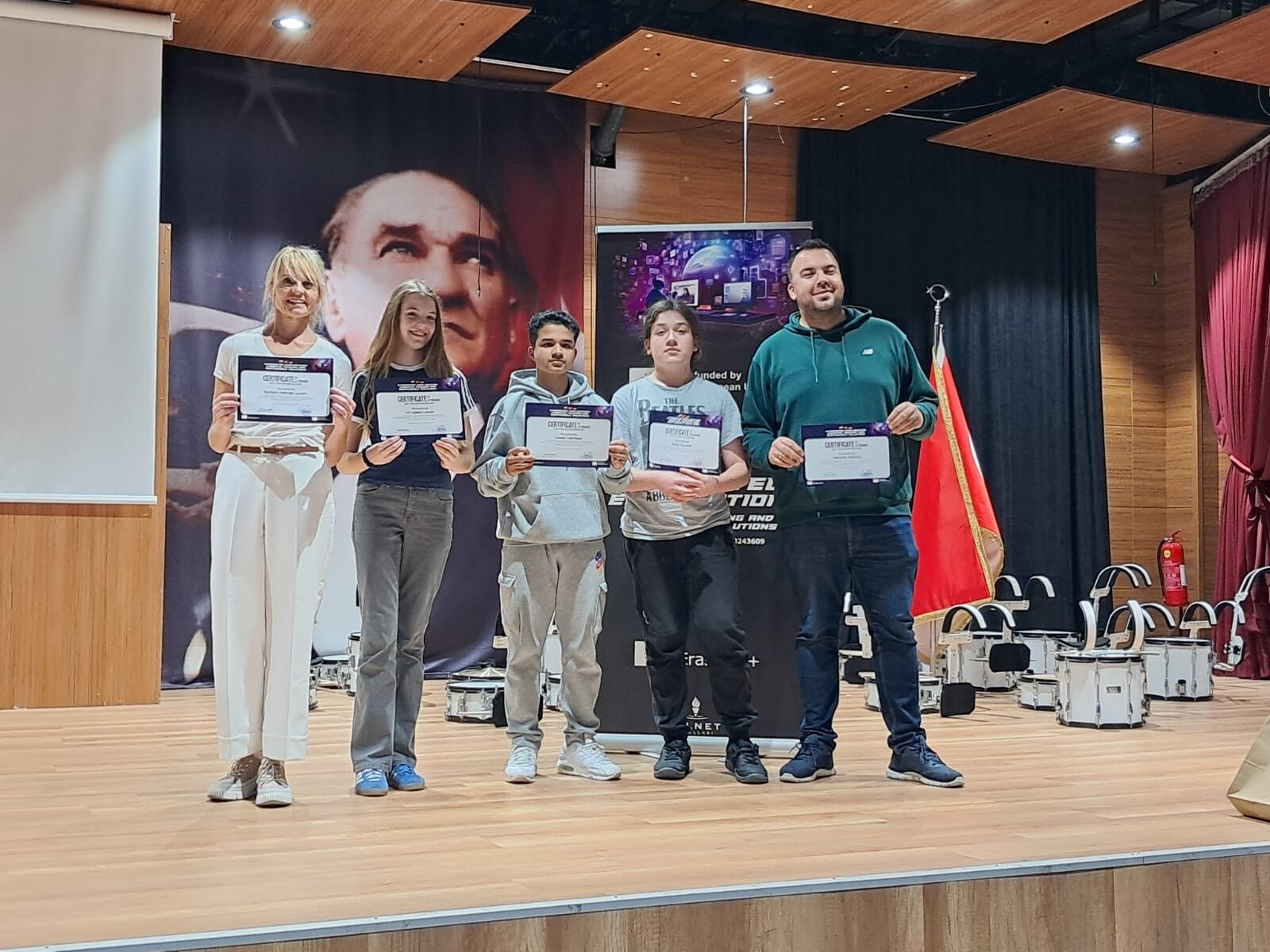
Balıkesir, Türkiye 🇹🇷 · 14–18 October 2025
LTT1 was the first hands-on test of the Module 1 curriculum.
 M3 · LTT
When Art Communicates Science
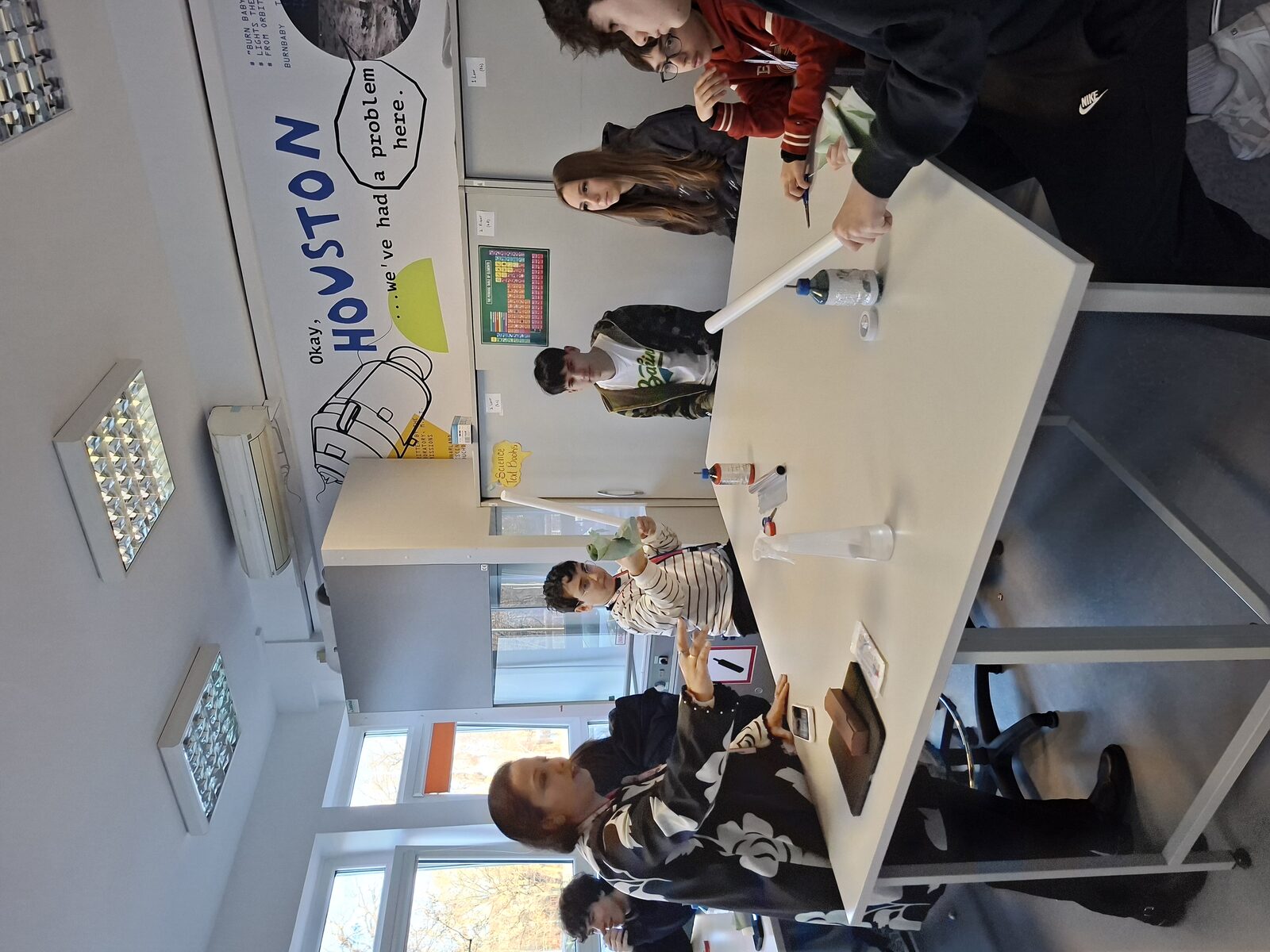
Wrocław, Poland 🇵🇱 · 19–23 January 2026
LTT2 brought Module 2 to life.
 M4 · LTT
From Global Challenge to Local Action
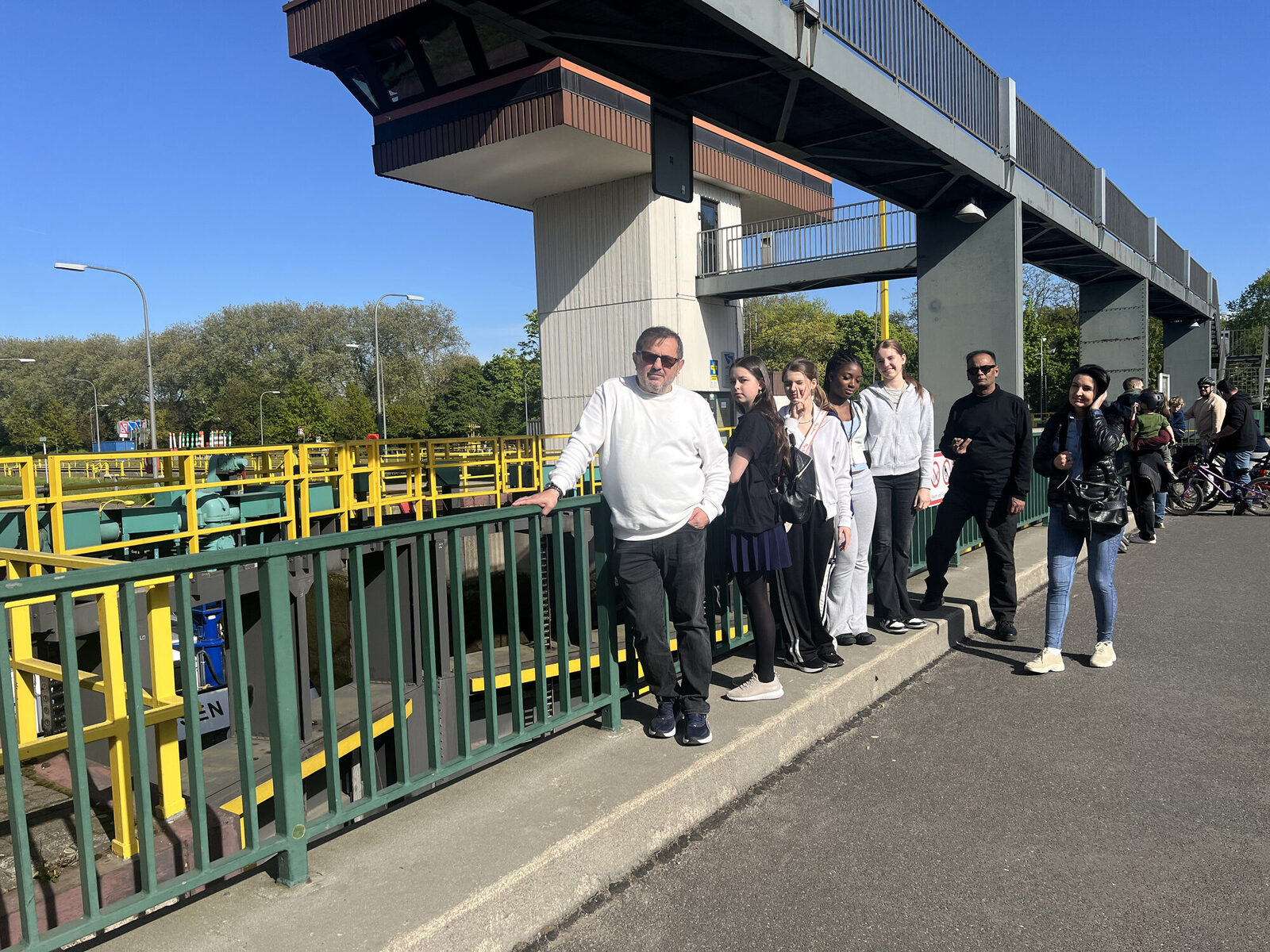
Düsseldorf, Germany 🇩🇪 · 26–30 April 2026
We took the Integrated Exploration journey to the heart of Germany's green innovation hub — Düsseldorf.
Closing the Loop
Virtual meeting 🌐 · Virtual · date to be confirmed
TPM2 is the formal closing of the project, held virtually.
Mobilities, explained
In an Erasmus+ partnership, a mobility is a physical meeting where participants from the partner organisations travel to one country to work together in person. Mobilities are the moments when a project stops being a series of online meetings and becomes a living partnership. Our project included five mobilities of two types.
Transnational Project Meetings (TPMs)
Short coordination meetings (2 days each) attended by around 2 representatives from each partner, with the host contributing extra support. Their job is governance: setting direction, reviewing progress, planning next steps. We held two — kick-off and closing.
Learning, Teaching & Training Activities (LTTs)
Longer learning workshops (5 days each) attended by students and teachers from each partner, with the host school contributing a larger group. Their job is delivery: trying out the curriculum, training teachers, generating evidence of what works. We held three — one per module.
Together, the five mobilities involved 60+ participants travelling between the three partner countries.
Behind every mobility
Each mobility produced materials beyond the workshop itself:
A selection of mobility documents is available for other Erasmus+ projects designing similar structures.
Get in touchWalking the talk on sustainability
Erasmus+ Green Travel Support
A project that teaches sustainability in Module 3 cannot ignore its own carbon footprint. Our three LTT mobilities all qualified for Erasmus+ Green Travel Support, an EU incentive that recognises partnerships choosing lower-carbon travel options. We documented:
- Train travel where feasible between Poland, Türkiye and Germany
- Carbon footprint calculations for each mobility
- Local-area site visits using public transport rather than private hire
- Recycled and reusable materials in workshop supplies wherever possible
- Digital documentation to minimise printed materials
This is not greenwashing. The discipline of measuring and minimising the footprint — and of telling participants the calculation — is part of what makes the Module 3 sustainability work credible.